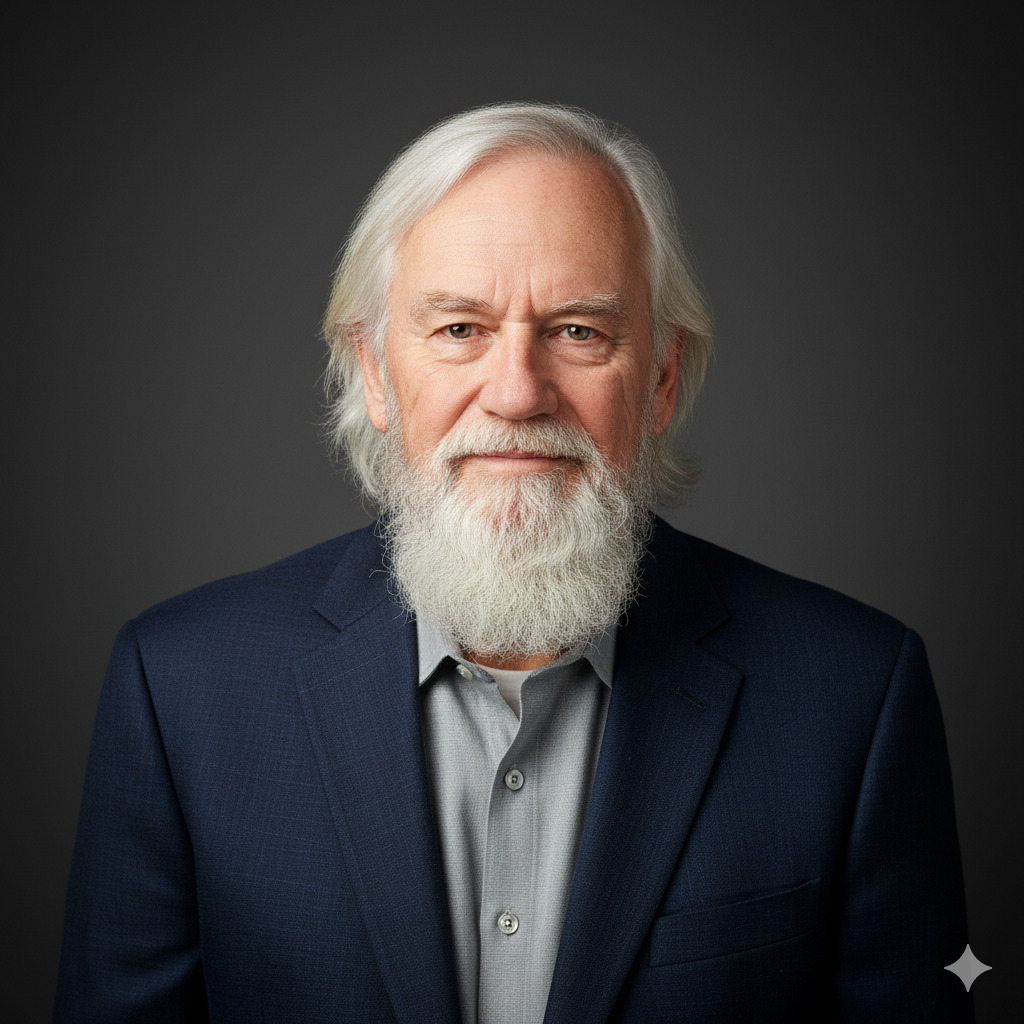
I have spent the past couple of years helping nonprofits, educators, and small businesses in Cochise County navigate the arrival of AI tools. Most of that work is practical: writing better prompts, choosing the right tool for the right task, understanding what AI genuinely helps with and what it does not. But occasionally something comes along that makes me set down the practical questions and think about the bigger picture. The encyclical letter Magnifica Humanitas from Pope Leo XIV, released in May 2026, is one of those things.
I want to be clear about something from the start: this is not a post about religion. My interest in this letter has nothing to do with theology and everything to do with a pattern I noticed while reading it. The concerns Pope Leo raises about artificial intelligence are nearly identical to the concerns that secular researchers, ethicists, and technologists have been raising for years. That convergence, people arriving at the same destination from very different starting points, is worth paying attention to.
What the Letter Says
The encyclical is long and theologically grounded, so most of the coverage has focused on summarizing it. I will spare you another summary. What struck me were three specific claims that cut across any religious framework.
First, on the nature of technology itself: "Technology is never neutral, because it takes on the characteristics of those who devise, finance, regulate and use it." This is not a religious argument. It is an observation about power, and it is one that AI researchers have been making for a decade. The tools we build reflect the values, incentives, and blind spots of the people who build them. Pretending otherwise is naïve.
Second, on who controls AI development: "The main drivers of development are private, often transnational, parties that are endowed with resources and the capacity to intervene that surpass those of many Governments. Technological power thus takes on an unprecedented, predominantly 'private' aspect, which makes it even more challenging to discern, govern and direct such power toward the common good." Read that again. A handful of corporations now have more capacity to shape how AI develops than most national governments do. This is not a Catholic concern. It is a structural reality that people across the political spectrum are grappling with.
Third, on how decisions about AI should be made: "The principle of subsidiarity requires that such processes not be imposed from above in an opaque and unilateral manner, but instead be directed toward the common good with transparency, accountability and meaningful forms of participation." In plain language: the people most affected by AI systems should have a meaningful say in how those systems are designed and deployed. That is a principle I have heard articulated in tech ethics papers, in congressional testimony, and in community listening sessions. The Pope did not invent it. But he put it clearly.
Why the Convergence Matters
When isolated voices raise a concern, it is easy to dismiss them as ideological or self-interested. When a Catholic encyclical, a body of peer-reviewed AI safety research, a growing coalition of technologists, and a range of civil society organizations all raise the same concerns using different language, that is harder to dismiss.
The concerns converging around AI right now are not fringe positions. They are increasingly mainstream across disciplines and worldviews: AI systems reflect the values of those who build them; power over AI is dangerously concentrated; the people most affected by these systems have the least say in how they work; and we need transparency and accountability mechanisms that do not yet exist in meaningful form.
The letter does not claim AI is evil. It explicitly avoids that framing. It argues, as many secular voices do, that the technology is neither good nor bad on its own. What matters is who controls it, for what purposes, and with what accountability. That is a reasonable position regardless of where you land on questions of faith.
What It Means If You Run a Small Organization
The letter's concern about concentrated power in private corporations is directly relevant to the organizations I work with. Nonprofits, schools, and small businesses do not negotiate with OpenAI, Google, or Microsoft. They accept the terms, use the tools, and hope for the best. That is a real vulnerability, and it is worth being clear-eyed about.
This does not mean avoiding AI tools. The benefits are genuine and the tools are here to stay. But it does mean a few things worth keeping in mind.
Know what you are agreeing to. When you use an AI tool, your data and your interactions become part of that company's ecosystem. Read the terms of service, at least the summary, before you commit. Be thoughtful about what kinds of information you put into systems you do not control.
Diversify where you can. Dependence on a single AI platform for critical functions creates risk. If a tool changes its pricing, its terms, or its capabilities, you want options. I have seen organizations build entire workflows around a single tool and then scramble when that tool changed.
Advocate for transparency. The organizations I respect most are the ones that are honest with their clients and communities about how they use AI. If you use AI to draft communications, say so. That kind of transparency builds trust and models the accountability that the broader conversation about AI desperately needs.
A Personal Note
I will admit that I was not expecting to find a papal encyclical particularly useful for my work. I was wrong. Not because of its theology, but because it is a clear-eyed, carefully argued document that takes AI seriously as a social and political force rather than just a productivity tool. That kind of seriousness is still rarer than it should be.
Whatever your faith tradition, or lack of one, the questions this letter raises are worth sitting with: Who benefits from the AI systems I use? Who built them and with what goals? Do the people most affected by these systems have any meaningful voice in how they work? Those are not religious questions. They are human ones. And they are exactly the questions we should be asking.
The full letter is available on the Vatican website and is more readable than you might expect. I recommend it.